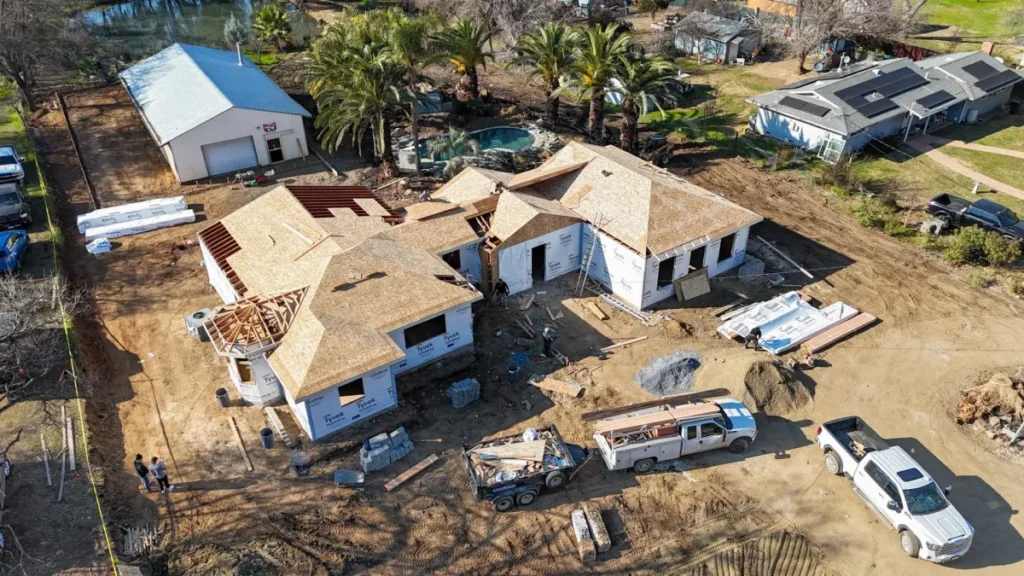
A garage conversion to an ADU in California typically costs between $80,000 and $180,000, depending on the size of the structure, required structural modifications, and local permit requirements. In major cities such as Los Angeles, San Diego, and San Jose, total costs may exceed $200,000 because of higher labor costs, stricter building codes, and complex utility upgrades.
The average cost per square foot for a garage conversion ADU ranges from $150 to $350, making it one of the most cost-efficient methods of creating additional housing units. Since an existing garage structure, foundation slab, and framing system already exist, homeowners avoid many of the expenses associated with building a new detached ADU from scratch.
Many homeowners pursue a garage ADU conversion project to generate rental income, increase property value, or support multigenerational housing arrangements. With ongoing California housing shortages, converting an unused garage into a legal accessory dwelling unit has become one of the most popular home improvement projects in the state.
What is The Average Cost of a Garage Conversion ADU in California
The average cost of a garage conversion accessory dwelling unit depends on several variables, including construction quality, architectural design, and local permit regulations. A simple studio ADU conversion is significantly cheaper than a fully equipped one-bedroom ADU with kitchen and bathroom installations.
Below is a typical garage conversion cost breakdown in California.
| Conversion Level | Average Cost |
| Basic garage ADU conversion | $80,000 – $120,000 |
| Mid-range garage conversion project | $120,000 – $160,000 |
| High-end custom ADU conversion | $160,000 – $250,000 |
A basic garage conversion ADU generally includes minimal structural changes, standard plumbing connections, and simple interior finishes. Many homeowners choose this option when the goal is to create a small studio rental unit.
A mid-range garage conversion project typically includes a full kitchen installation, modern bathroom construction, upgraded electrical systems, and improved insulation systems. This type of accessory dwelling unit conversion is the most common among homeowners in California residential neighborhoods.
A high-end garage ADU conversion involves extensive architectural customization, luxury interior materials, advanced energy-efficient appliances, and upgraded structural engineering work. These projects often occur in high-value housing markets such as the San Francisco Bay Area or coastal Southern California communities.
Garage Conversion ADU Cost per Square Foot
The cost per square foot for a garage ADU conversion in California typically ranges from $150 to $350, depending on construction complexity and required utility infrastructure upgrades. This price range includes labor expenses, building materials, permit fees, and most interior finishing work.
Smaller garage ADU layouts tend to have higher per-square-foot construction costs because essential features like bathrooms, kitchens, and HVAC systems occupy a larger portion of the total space.
Below are typical garage ADU cost estimates based on size.
| Garage Size | Estimated Conversion Cost |
| 400 sq ft garage ADU | $60,000 – $140,000 |
| 500 sq ft garage conversion ADU | $75,000 – $175,000 |
| 600 sq ft garage ADU project | $90,000 – $210,000 |
A 400 square foot garage conversion ADU is often designed as a studio apartment layout. This format includes a combined living area, compact kitchenette, and small bathroom installation.
A 500 square foot accessory dwelling unit conversion allows for a more comfortable one-bedroom floor plan with a separate living space and full kitchen area. Many homeowners choose this size to maximize rental market appeal.
A 600 square foot garage ADU design offers more flexibility for interior layout planning, larger kitchen cabinetry, and improved living space functionality. However, larger conversions may require more extensive structural engineering upgrades, especially if the existing garage foundation slab needs reinforcement.
What Factors Affect the Cost of a Garage Conversion ADU?
Several major components influence the total cost of a garage conversion accessory dwelling unit project. The largest expenses usually involve structural modifications, utility installations, and interior construction work.
Understanding these cost drivers in ADU construction helps homeowners estimate realistic budgets before starting a garage conversion project.
Structural Modifications in a Garage Conversion Project
Many older garages were not originally built to meet modern residential building standards, which means they require significant structural improvements before becoming a legal habitable dwelling unit.
Common structural upgrades in garage ADU conversions include:
• Reinforcing the garage slab foundation
• Raising the floor elevation to match the main house structure
• Installing new load-bearing wall framing
• Modifying the garage ceiling joists
• Adding required egress windows for safety compliance
If the existing garage structure is outdated or damaged, a licensed structural engineer may recommend major improvements to meet California building code standards.
Utility Installation in a Garage ADU Conversion
A major cost factor in any garage conversion ADU project is the installation of essential utilities. Since most garages were not designed as living spaces, contractors must install complete plumbing systems, electrical wiring, and climate control systems.
Typical utility upgrades for accessory dwelling units include:
• Installing new water supply lines
• Connecting the sewer drainage system
• Upgrading the electrical panel capacity
• Installing a modern HVAC heating and cooling system
• Running new gas lines for kitchen appliances
These upgrades ensure the converted space meets residential safety regulations and provides comfortable living conditions for tenants or family members.
Interior Build-Out for a Garage ADU Living Space
Once structural work and utilities are installed, contractors complete the interior build-out phase of the garage ADU conversion. This stage includes everything required to transform the original garage shell structure into a fully functional living unit.
Major interior construction components include:
• Installing thermal insulation systems
• Hanging drywall panels
• Building a complete kitchen area
• Constructing a modern bathroom installation
• Installing flooring materials and interior finishes
High-quality interior design choices can significantly increase the total ADU construction cost, but they also improve the overall rental value and long-term property appreciation.
Estimate Your Garage ADU Project Budget with Online Estimator
Planning a garage conversion ADU starts with understanding the expected construction budget. Homeowners often want a quick estimate before speaking with a contractor. This helps compare design options and prepare for permit, labor, and utility upgrade costs.
To get a fast estimate based on garage size, finishes, and project complexity, you can use our garage adu conversion cost calculator to evaluate possible construction costs before starting the project.
Permit and Regulation Costs for a Garage Conversion ADU in California
Before starting a garage conversion to an accessory dwelling unit, homeowners must comply with multiple California ADU regulations, local zoning ordinances, and municipal permit requirements. These rules ensure that every accessory dwelling unit construction project meets state building code standards, safety requirements, and energy efficiency regulations.
The cost of obtaining all required building permits and approvals usually ranges between $3,000 and $15,000 depending on the city, project size, and complexity of the garage conversion design plan.
Several government agencies are involved in the ADU permit approval process, including the local planning department, building inspection office, and sometimes regional utility authorities. Each agency reviews the proposed ADU construction plans to ensure the project meets state housing laws and local development regulations.
Key California ADU Laws Affecting Garage Conversions
Over the past decade, the California State Legislature has introduced several laws designed to encourage accessory dwelling unit development and address the statewide housing shortage crisis.
Important laws affecting garage conversion ADU projects include:
• SB 9 California Housing Law – allows more flexible housing development on single-family lots
• SB 13 ADU Legislation – reduces certain impact fees for accessory dwelling units
• AB 68 Housing Reform Law – simplifies the ADU approval process for homeowners
• AB 881 ADU Expansion Law – expands eligibility for detached accessory dwelling units
These legislative reforms have made it significantly easier for homeowners to convert an existing garage structure into a legally recognized secondary housing unit.
Local Zoning Regulations and Setback Requirements
Even though California state ADU laws encourage development, each city still enforces its own local zoning codes and land-use regulations. These rules determine whether a garage conversion ADU project can move forward without major modifications.
Typical zoning requirements for garage ADU conversions include:
• Minimum setback distance from property lines
• Compliance with lot coverage ratios
• Maximum accessory dwelling unit size limits
• Required fire safety clearance zones
In many cases, converting an existing detached garage building into an accessory dwelling unit is easier than constructing a completely new backyard ADU structure because the original building footprint already exists.
Title 24 Energy Compliance Requirements
Every garage conversion ADU in California must meet Title 24 energy efficiency standards, which regulate building insulation performance, energy consumption, and sustainable construction practices.
Common Title 24 compliance upgrades include:
• Installing high-performance thermal insulation systems
• Adding energy-efficient dual-pane windows
• Installing approved energy-efficient lighting fixtures
• Upgrading to modern energy-efficient HVAC systems
Although these upgrades add to the overall garage conversion construction cost, they reduce long-term energy consumption and improve the overall environmental performance of the accessory dwelling unit.
How Long Does a Garage Conversion to an ADU Take?
The typical timeline for completing a garage conversion accessory dwelling unit project ranges between 4 and 9 months. The total duration depends on the complexity of the construction plan, the speed of permit approvals, and the availability of licensed general contractors.
The entire process involves several stages, including design planning, permit processing, and construction work.
| Project Stage | Estimated Time |
| Architectural design and planning phase | 4–8 weeks |
| Permit approval and city review process | 6–12 weeks |
| Garage conversion construction phase | 8–16 weeks |
Design and Planning Phase
The first step in a garage ADU conversion project involves working with an architect, structural engineer, or design-build contractor to create detailed architectural drawings.
During this stage, professionals prepare:
• Complete ADU floor plans
• Detailed site plan documents
• Required structural engineering calculations
• Preliminary utility connection plans
These documents are required for submission to the local building permit office before construction can begin.
Permit Review and City Approval Process
After submitting the garage conversion design package, the project enters the municipal permit review phase. City officials examine the plans to confirm compliance with zoning regulations, safety codes, and energy efficiency standards.
Some cities in California metropolitan areas process ADU permit applications quickly, while others may require several rounds of design revisions before approval.
Construction Phase of the Garage ADU Conversion
Once the city issues an official building permit, licensed contractors begin the garage conversion construction process. The work typically includes structural upgrades, utility installations, and the final interior finishing stage.
Throughout construction, city inspectors conduct multiple building inspections to verify that all work meets California residential construction standards.
Does a Garage ADU Conversion Increase Property Value?
A well-designed garage conversion accessory dwelling unit can significantly increase the market value of a residential property. Real estate studies suggest that adding a legal accessory dwelling unit can raise a home’s total value by 10% to 25%, depending on location and rental demand.
The increase in property valuation occurs because the new secondary housing unit creates an additional livable residential space that can generate long-term rental income.
Rental Income Potential of a Garage ADU
Many homeowners build a garage conversion ADU specifically to generate monthly rental revenue. In high-demand housing markets such as Los Angeles, San Diego, and the San Francisco Bay Area, small studio ADU units can command competitive monthly rental prices.
Factors that influence ADU rental income potential include:
• Location within a high-demand urban housing market
• Quality of the interior living space design
• Availability of private entrances and utilities
• Proximity to public transportation and employment centers
Because of the increasing demand for affordable housing options, accessory dwelling units have become a popular strategy for both homeowners and real estate investors.
Long-Term Property Appreciation
Beyond immediate rental income benefits, a properly permitted garage conversion ADU can improve long-term real estate appreciation. Properties with additional legal dwelling units often attract more buyers, particularly those interested in multigenerational housing arrangements or income-producing residential properties.
In competitive California housing markets, a home with a fully permitted accessory dwelling unit often stands out because it offers both living flexibility and potential passive income opportunities.
Financing Options for a Garage Conversion ADU
Because a garage ADU construction project often requires a significant investment, many homeowners use specialized home renovation financing options to fund the development.
The most common ADU financing strategies include several forms of home equity borrowing and construction lending.
Home Equity Line of Credit (HELOC)
A home equity line of credit allows homeowners to borrow money against the existing equity in their property. This financing method provides flexible access to funds during different phases of the garage conversion construction process.
Many homeowners choose a HELOC loan structure because interest payments only apply to the amount of money actually used during construction.
Home Equity Loan
A home equity loan provides a lump-sum payment based on the value of the homeowner’s property equity. This type of financing often offers a fixed interest rate and predictable monthly payments, which can simplify budgeting for a garage ADU development project.
Cash-Out Refinance Loan
A cash-out refinance mortgage replaces the homeowner’s existing home loan with a larger mortgage and converts the difference into usable cash. Many homeowners use this strategy to fund major home improvement projects, including the construction of an accessory dwelling unit.
ADU Construction Loans
Some lenders offer specialized ADU construction financing programs designed specifically for building accessory dwelling units. These loans are structured to release funds gradually as different phases of the construction project are completed.
California Cities with the Highest Average Garage ADU Conversion Costs
The average cost of a garage conversion ADU in California varies significantly depending on the local housing market, construction labor rates, and city permit regulations. Major metropolitan areas tend to have higher construction costs per square foot due to expensive contractor labor, strict municipal building codes, and higher permit processing fees.
Below are estimated average garage conversion ADU costs in several major California housing markets.
| City | Average Garage ADU Conversion Cost |
| Los Angeles | $120,000 – $220,000 |
| San Diego | $110,000 – $200,000 |
| San Jose | $130,000 – $230,000 |
| San Francisco Bay Area | $140,000 – $250,000 |
Los Angeles Housing Market
In the Los Angeles housing market, the average garage conversion ADU cost typically ranges between $120,000 and $220,000. The city has one of the highest numbers of accessory dwelling unit construction projects in the state, but high construction labor costs and complex city permit requirements often increase the total development budget.
San Diego Residential Construction Market
The San Diego residential construction market generally sees garage ADU conversion costs between $110,000 and $200,000. Strong rental demand and increasing interest in multigenerational housing solutions continue to drive both property values and ADU construction activity in the region.
San Jose Housing Market
In the San Jose housing market, the average garage conversion accessory dwelling unit cost ranges from $130,000 to $230,000. The ongoing Silicon Valley housing shortage has increased demand for secondary housing units, while high construction labor rates and engineering requirements contribute to higher project costs.
San Francisco Bay Area Housing Market
The San Francisco Bay Area housing market often has the highest garage ADU conversion costs, typically ranging from $140,000 to $250,000. Strict local zoning regulations, expensive building materials, and high contractor labor costs make this region one of the most expensive areas in California to build an accessory dwelling unit.
Final Thoughts on Garage Conversion ADU Costs in California
A garage conversion to an accessory dwelling unit offers homeowners a cost-effective way to create additional livable housing space while increasing overall property value. Although the typical ADU conversion cost in California ranges between $80,000 and $180,000, careful planning can help homeowners manage expenses and avoid unnecessary construction delays.
As California housing demand continues to grow, accessory dwelling units are becoming an increasingly valuable solution for expanding housing supply, generating rental income, and supporting multigenerational living arrangements.
With the right construction planning, experienced ADU contractors, and proper permit approvals, a well-designed garage conversion ADU project can provide long-term financial and housing benefits for homeowners throughout California residential communities.
Frequently Asked Questions
Yes. Most cities require a valid building permit, approval from the local planning department, and compliance with California ADU regulations before construction can begin.
Yes. A detached garage building can often be converted into a legal accessory dwelling unit if it meets the required zoning regulations, setback requirements, and building code standards.
Many cities allow accessory dwelling units between 400 and 1,200 square feet, although the exact limits depend on local zoning ordinances and lot size regulations.