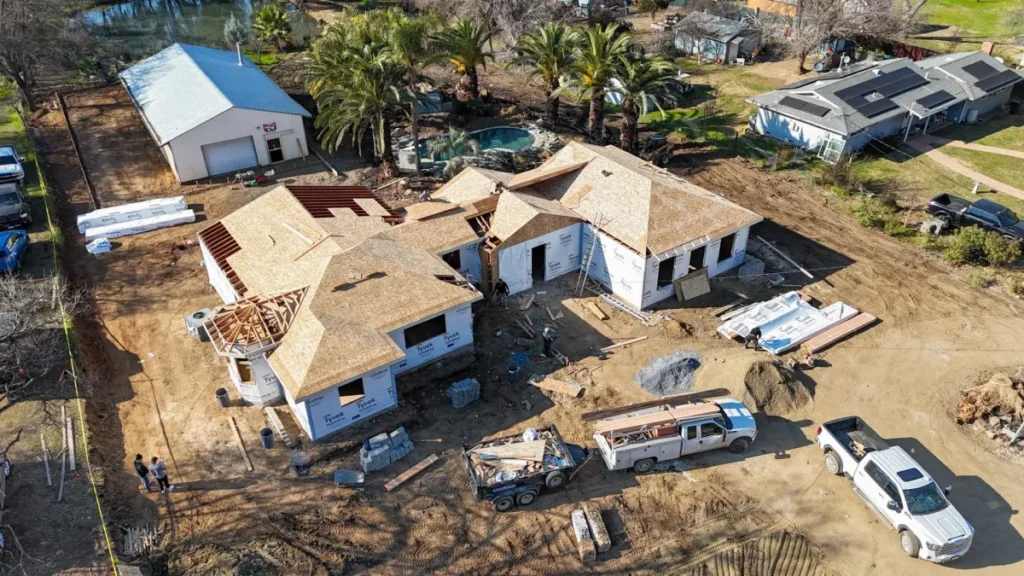
The cost to remodel an Accessory Dwelling Unit in California typically ranges from $40,000 to $200,000, depending on the size, structural condition, and renovation scope. Upgrading a garage conversion ADU, basement unit, or attached secondary dwelling is usually more affordable, while a detached ADU renovation with structural repairs and new utility installations can exceed $250,000. Factors such as construction labor, building materials, kitchen and bathroom installation, and local building permit fees significantly influence the total ADU remodeling cost in California.
What is The Average ADU Remodeling Cost in California?
The average ADU remodeling cost in California ranges between $100 and $350 per square foot, depending on the level of renovation, structural complexity, and location within the state. Minor renovations such as garage conversion ADUs may cost between $40,000 and $80,000, while full-scale detached ADU remodeling projects can exceed $150,000 to $300,000.
The wide cost range reflects differences in:
- construction labor rates
- architectural design requirements
- material quality and finishes
- local building regulations
- utility infrastructure upgrades
Cities with higher construction demand, including Los Angeles, San Diego, and San Francisco, typically have higher ADU construction costs due to elevated labor rates and stricter regulatory requirements.
For homeowners planning a California ADU renovation, understanding the typical cost range helps establish a realistic remodeling budget before beginning the design and permitting process.
Typical ADU Remodeling Cost by Project Type
Different types of Accessory Dwelling Unit remodeling projects have significantly different price ranges because each involves varying levels of construction work, structural modification, and interior installation.
| ADU Type | Typical Remodeling Cost |
| Garage Conversion ADU | $40,000 – $90,000 |
| Basement ADU Renovation | $50,000 – $120,000 |
| Attached ADU Remodel | $80,000 – $180,000 |
| Detached ADU Renovation | $120,000 – $300,000 |
A garage conversion ADU remodel is usually the most affordable option because the project uses an existing structure, reducing the need for major foundation work or framing construction.
In contrast, a detached ADU renovation project may involve structural expansion, roof replacement, new plumbing installation, and complete interior build-out, which significantly increases total project costs.
Cost Per Square Foot for ADU Remodeling in California
Most California ADU remodeling projects fall within a cost range of $100 to $350 per square foot, depending on the level of construction and interior upgrades required.
Several factors influence the final ADU cost per square foot, including:
- structural repair requirements
- kitchen installation and cabinetry
- bathroom plumbing upgrades
- insulation and drywall installation
- flooring and interior finishes
- electrical wiring and lighting systems
For example, a basic garage conversion ADU remodel with minimal structural changes may cost around $120 per square foot, while a high-end detached ADU interior renovation with premium finishes could exceed $300 per square foot.
The square-foot construction cost increases significantly when a project requires complex upgrades such as foundation reinforcement, utility trenching, or electrical panel replacement.
Because construction prices vary widely across different California cities, homeowners should obtain estimates from licensed California ADU contractors before finalizing a remodeling plan.
Major Cost Components in ADU Remodeling
The total Accessory Dwelling Unit remodeling cost is typically divided into several major categories. Each category contributes a different portion to the overall renovation budget.
The primary ADU remodeling cost components include:
- construction labor costs
- building materials and finishes
- architectural design and engineering
- building permit and zoning approvals
- utility infrastructure installation
- interior kitchen and bathroom construction
- site preparation and demolition
In many projects, construction labor represents the largest portion of the remodeling budget, often accounting for 40–50 percent of total ADU renovation costs. The next largest expense usually involves interior installations, such as kitchen cabinetry, bathroom fixtures, and appliance integration.
Additionally, homeowners must account for soft costs, which include architectural planning, engineering reports, and permit application fees required by local building departments.
A clear understanding of these ADU remodeling cost categories allows homeowners to better plan their renovation budget and avoid unexpected financial surprises during construction.
What Factors Affecting ADU Remodeling Cost in California?
The total Accessory Dwelling Unit remodeling cost in California depends on several variables, including the size of the ADU, the extent of structural modifications, plumbing and electrical installation, and local building permit requirements. Additional expenses may arise from utility infrastructure upgrades, material selection, and contractor labor rates.
Understanding these cost drivers helps homeowners accurately estimate the total California ADU renovation budget before beginning construction.
Several major factors influence the final ADU remodeling cost estimate:
- ADU square footage and layout design
- structural repairs or framing modifications
- kitchen and bathroom installation
- plumbing and electrical system upgrades
- permit approval and inspection fees
- utility connection infrastructure
- construction labor costs
- material quality and interior finishes
Each factor contributes differently depending on whether the project involves a garage conversion ADU, basement ADU renovation, attached ADU remodel, or detached ADU reconstruction.
For example, a simple garage conversion project may require only insulation, drywall installation, and interior finishing, while a more complex detached ADU remodel could require foundation reinforcement, roof replacement, and complete utility installation.
Because California has strict building regulations and zoning laws, homeowners should plan for both construction expenses and regulatory costs when budgeting for an ADU remodeling project.
Structural Construction Costs in ADU Remodeling
Structural work is one of the most significant contributors to the total ADU renovation cost in California. Many remodeling projects require upgrades to the existing structure to meet California building codes, seismic safety standards, and energy efficiency regulations.
Structural construction costs typically include:
- foundation repair or reinforcement
- framing installation
- roof replacement
- insulation upgrades
- drywall installation
- flooring installation
- interior wall construction
- painting and finishing
Older structures being converted into Accessory Dwelling Units often require additional reinforcement to comply with California structural engineering requirements. For example, converting a garage into a legal habitable living space may require structural upgrades to the foundation slab, wall framing, and roof insulation.
Typical structural remodeling costs include:
| Structural Component | Estimated Cost |
| Foundation repair | $5,000 – $20,000 |
| Framing and structural reinforcement | $10,000 – $40,000 |
| Roof replacement | $8,000 – $25,000 |
| Insulation installation | $2,000 – $8,000 |
| Drywall and interior walls | $4,000 – $15,000 |
| Flooring installation | $3,000 – $12,000 |
These structural improvements ensure that the Accessory Dwelling Unit renovation meets modern safety and habitability standards required by local California building departments.
Kitchen Installation and Bathroom Remodeling Costs
One of the most expensive components of an ADU interior renovation is the installation of a full kitchen and bathroom, which are required for a legally recognized Accessory Dwelling Unit in California.
The cost of a kitchen installation in an ADU remodel typically ranges between $10,000 and $40,000, depending on the size of the kitchen, cabinet materials, and appliance selection.
Typical ADU kitchen remodeling expenses include:
- kitchen cabinetry installation
- countertop fabrication
- sink and faucet plumbing
- appliance installation
- electrical outlet wiring
- ventilation system installation
Similarly, the installation of a bathroom in an ADU renovation project typically costs between $8,000 and $25,000, depending on plumbing complexity and fixture quality.
A standard ADU bathroom remodeling cost breakdown includes:
- toilet installation
- shower or bathtub installation
- plumbing rough-in
- bathroom vanity and cabinetry
- tile flooring and wall finishes
- lighting and ventilation installation
Because kitchens and bathrooms require extensive plumbing and electrical work, these spaces often represent the most expensive portion of a California ADU remodeling project.
Use ADU Remodeling Cost Planning Tool
Planning an ADU remodeling project starts with understanding the expected renovation budget. Homeowners often review structural upgrades, kitchen installation, and utility improvements before beginning construction. These factors can significantly influence the final renovation cost.
To quickly evaluate the potential project budget, you can use our ADU remodeling cost calculator to estimate renovation costs based on ADU size, remodeling scope, and interior upgrade requirements.
Permit Fees and California ADU Regulations
Every Accessory Dwelling Unit remodeling project in California requires approval from the local building department, which means homeowners must obtain several types of permits before beginning construction.
The typical ADU permit cost in California ranges from $2,000 to $10,000, depending on the city, project size, and complexity of the renovation.
Common permits required for California ADU remodeling projects include:
- building permit approval
- zoning compliance review
- structural safety inspection
- energy efficiency compliance certification
- utility connection permits
Many cities require compliance with Title 24 energy efficiency standards, which regulate insulation performance, lighting efficiency, and heating and cooling systems.
In addition to standard permits, some locations require additional approvals related to:
- fire safety regulations
- stormwater drainage compliance
- coastal zone development permits
- historic property restrictions
Working with experienced California ADU architects and contractors can help streamline the permit approval process and reduce delays during construction.
Utility Infrastructure Upgrades for ADU Remodeling
Many Accessory Dwelling Unit remodeling projects require upgrades to existing utility infrastructure, especially when converting a non-habitable structure such as a garage or storage space.
Utility upgrades ensure that the remodeled ADU has independent access to essential services, including water supply, sewer connections, electricity, and climate control systems.
Common utility infrastructure upgrades in ADU renovations include:
- water line installation
- sewer connection upgrades
- gas line installation
- electrical wiring and panel upgrades
- HVAC system installation
These infrastructure improvements can significantly increase the overall ADU renovation cost, particularly when trenching or underground installation is required.
Typical utility upgrade costs include:
| Utility Upgrade | Estimated Cost |
| Water line installation | $2,000 – $8,000 |
| Sewer connection | $4,000 – $15,000 |
| Electrical panel upgrade | $3,000 – $10,000 |
| Gas line installation | $1,500 – $6,000 |
| HVAC system installation | $4,000 – $12,000 |
Homes built several decades ago often require electrical panel upgrades or plumbing system modernization before the property can support a fully functional Accessory Dwelling Unit.
Because of these requirements, utility upgrades are often a major component of the total California ADU remodeling budget.
Construction Labor Costs in ADU Remodeling
Labor is one of the largest expenses in a California ADU remodeling project, often accounting for 40–50 percent of the total renovation budget. Skilled professionals such as general contractors, architects, structural engineers, electricians, and plumbers are required to ensure that the Accessory Dwelling Unit renovation meets local building code compliance and California housing regulations.
The total ADU construction labor cost varies depending on the complexity of the remodel, the size of the property, and the location within California. Cities with high construction demand typically have higher contractor labor rates.
Common professionals involved in a California ADU renovation project include:
- general contractor services
- architectural design planning
- structural engineering consultation
- licensed electrician installation
- professional plumbing services
- interior finishing contractors
Below is a typical breakdown of ADU remodeling labor costs.
| Construction Service | Estimated Cost |
| General contractor project management | 10% – 20% of total project cost |
| Architectural design planning | $5,000 – $15,000 |
| Structural engineering report | $2,000 – $8,000 |
| Licensed electrical installation | $3,000 – $12,000 |
| Plumbing installation services | $4,000 – $15,000 |
A professional California ADU contractor coordinates subcontractors, schedules inspections, and ensures that construction meets state housing regulations. Hiring experienced professionals helps prevent costly mistakes during the ADU remodeling process.
How Long Does an ADU Remodeling Project Take in California
Most Accessory Dwelling Unit remodeling projects in California take between 3 and 9 months to complete. The timeline depends on the size of the renovation, the complexity of structural work, and how quickly the project receives building permit approval.
Smaller renovations such as a garage conversion ADU remodel may take only 2 to 4 months, while more complex projects involving structural changes or utility infrastructure upgrades may require 6 to 12 months.
The typical ADU remodeling timeline includes several stages.
Design and Planning Phase
During the initial stage, homeowners work with architects and contractors to create architectural plans, determine the project scope, and prepare permit applications.
Typical duration: 3 to 6 weeks
Permit Approval Phase
Local California building departments review the submitted plans to ensure compliance with zoning regulations, structural safety standards, and Title 24 energy requirements.
Typical duration: 4 to 8 weeks
Construction Phase
Once permits are approved, contractors begin structural work, interior installation, and utility upgrades.
Typical duration: 8 to 20 weeks
Delays can occur if the project requires additional structural engineering approvals or modifications during inspection.
Return on Investment of an ADU Remodeling Project
Remodeling an Accessory Dwelling Unit in California can significantly increase property value while providing an additional source of rental income. Many homeowners invest in ADU renovation projects to create long-term financial benefits.
A well-designed California ADU property upgrade can increase the overall real estate market value by 20 to 35 percent, depending on the location and rental demand.
Several factors contribute to the financial benefits of an ADU remodeling investment.
Rental Income Potential
A newly renovated Accessory Dwelling Unit can generate monthly rental income between $1,500 and $3,500, depending on the city and property size.
Property Value Appreciation
Homes with legal ADU housing units often sell for higher prices because they provide additional living space and income potential.
Flexible Housing Options
A remodeled Accessory Dwelling Unit can be used for multi-generational housing, guest accommodation, or a home office living space.
Because California continues to face a housing supply shortage, properties with secondary dwelling units have become increasingly attractive to both homeowners and real estate investors.
Frequently Asked Questions
A typical garage conversion ADU remodeling project in California costs between $40,000 and $90,000, depending on insulation upgrades, interior finishing, and plumbing installation. Projects requiring electrical panel upgrades, foundation reinforcement, or new utility connections may increase the final cost.
The most affordable Accessory Dwelling Unit renovation is usually a garage conversion ADU, because it uses an existing structure and requires fewer structural modifications compared to a detached ADU construction project.
Yes, remodeling an Accessory Dwelling Unit in California often increases the overall property market value. Homes with legal secondary dwelling units can see value increases between 20 percent and 35 percent, especially in areas with high housing demand.
Most California ADU remodeling projects require several permits including a building permit approval, zoning compliance review, structural safety inspection, and energy efficiency certification under Title 24 building standards.
For many homeowners, investing in an Accessory Dwelling Unit renovation is worthwhile because it creates additional living space, increases property resale value, and provides an opportunity to generate long-term rental income.