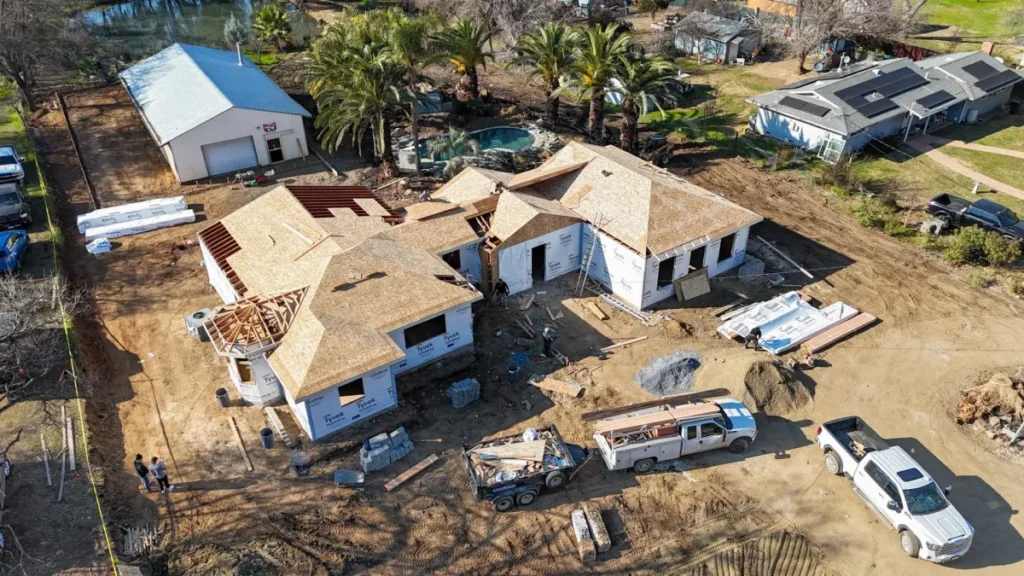
The cost to design and build an Accessory Dwelling Unit (ADU) in California varies depending on the ADU type, construction complexity, permit requirements, and local construction costs. Many homeowners build backyard ADUs, garage conversion ADUs, or detached ADUs to create rental income opportunities, increase property value, or add multigenerational housing.
A typical ADU design-build project combines architectural design services, engineering plans, permit approvals, and construction management under one contractor. This integrated approach simplifies the construction process and helps control overall project costs.
The average ADU cost in California, along with the cost per square foot, permit expenses, and construction factors, helps homeowners plan realistic budgets before starting an ADU development project.
What is The Average Cost to Design and Build an ADU in California?
The average cost to design and build an Accessory Dwelling Unit in California typically ranges between $150,000 and $400,000 depending on the ADU size, property conditions, city permit requirements, and construction materials. Larger detached ADUs with custom designs usually cost more than garage conversion ADUs or attached ADUs.
Most California ADU construction projects fall within a range of $250 to $450 per square foot when using a full design-build contractor. This price generally includes architectural planning, structural engineering, permit processing, site preparation, and construction labor.
For example, a 750 square foot detached ADU in Los Angeles County may cost around $250,000 to $320,000, while a garage conversion ADU could cost between $80,000 and $150,000 depending on the level of renovation work required.
The final cost of an ADU design-build project depends on several elements including site grading, utility connections, foundation work, building materials, and local labor rates.
What Is an ADU Design-Build Project
An ADU design-build project is a construction method where a single design-build contractor manages both the architectural design phase and the construction phase of an Accessory Dwelling Unit. This approach streamlines the entire project development process and reduces the risk of miscommunication between architects, engineers, and contractors.
Instead of hiring separate professionals for design services and construction services, homeowners work with one ADU construction company that oversees planning, permitting, and building. This integrated process helps control project timelines, improve cost management, and reduce unexpected construction delays.
Many California homeowners choose the design-build model because it simplifies the permit approval process, improves budget transparency, and accelerates the construction schedule compared to the traditional design-bid-build approach.
In the California ADU construction market, most specialized ADU builders offer complete turnkey design-build services that include site evaluation, architectural plans, structural engineering, permit applications, and full construction management.
Types of ADUs in California
There are several types of Accessory Dwelling Units that homeowners can build on a California residential property. The type of ADU structure significantly affects the overall construction cost, permit requirements, and project timeline.
Detached ADU
A Detached Accessory Dwelling Unit is a separate residential structure built in the backyard of a primary home. This type of backyard cottage provides the highest level of privacy and rental value, but it also requires the largest construction budget due to foundation work, new utility connections, and full structural construction.
Attached ADU
An Attached Accessory Dwelling Unit shares at least one structural wall with the primary residence. This type of ADU extension is often less expensive because it may share plumbing systems, electrical connections, and structural framing with the main house.
Garage Conversion ADU
A Garage Conversion ADU transforms an existing garage structure into a livable housing unit. Because the structural shell already exists, this type of ADU conversion project usually costs significantly less than building a new detached structure.
Basement ADU
A Basement ADU converts an existing basement space into a fully functional secondary housing unit. These projects may require additional structural reinforcement, egress windows, and building code upgrades to meet California housing regulations.
Junior Accessory Dwelling Unit
A Junior Accessory Dwelling Unit (JADU) is a smaller housing unit typically created within the existing footprint of a single-family home. These units are usually limited to 500 square feet and share certain utilities with the main residence.
Prefabricated or Modular ADU
A Prefabricated ADU or Modular ADU is partially built in a manufacturing facility before being transported to the construction site. This method can reduce construction time, lower labor costs, and provide more predictable project pricing.
ADU Cost Per Square Foot in California
The ADU cost per square foot in California generally ranges between $250 and $450 per square foot depending on the construction method, design complexity, and local labor costs. Projects in high-demand cities such as San Diego, Los Angeles, and San Jose often fall on the higher end of the price range.
A garage conversion ADU usually costs between $200 and $300 per square foot because it uses an existing structural framework. In contrast, a fully detached ADU construction project may cost between $300 and $450 per square foot due to the need for new foundations, framing, and utility installations.
Several factors influence the construction price per square foot, including site preparation requirements, building material quality, energy efficiency upgrades, and architectural design features.
Understanding the per-square-foot construction cost helps homeowners estimate the total project budget for different ADU sizes, such as 600 square foot studio units, 800 square foot one-bedroom ADUs, or 1,000 square foot two-bedroom ADUs.
ADU Design Build Cost Breakdown
The total cost of an Accessory Dwelling Unit design-build project in California includes both hard construction costs and soft development costs. Hard costs cover the physical construction work, while soft costs include architectural design, engineering plans, and permit approvals.
In most California ADU construction projects, construction labor and building materials represent the largest portion of the overall budget. However, expenses such as site preparation, utility connections, and permit processing can also significantly affect the final project price.
Understanding the detailed ADU cost breakdown helps homeowners plan for all phases of a design-build construction project, from initial planning to final inspection and occupancy approval.
Typical ADU Cost Categories
A standard ADU construction budget generally includes the following components:
- Architectural design services
- Structural engineering plans
- Building permit applications
- Site preparation and grading
- Foundation construction
- Framing and structural work
- Electrical systems installation
- Plumbing systems installation
- Heating and cooling systems
- Interior finishes and fixtures
- Utility connection upgrades
Example ADU Cost Distribution
In many California residential construction projects, the total cost of building an Accessory Dwelling Unit is typically distributed across several key categories.
Design and engineering services usually account for 8% to 12% of the total project budget. These services include architectural floor plans, structural load calculations, and energy compliance documentation.
Permit and regulatory costs often represent 5% to 10% of the project cost, depending on the local planning department fees and municipal development charges.
The largest share of the budget is typically allocated to construction labor and building materials, which can account for 60% to 70% of the overall ADU construction cost.
Additional costs may arise from site grading, utility trenching, and landscape restoration, particularly for detached ADU construction projects.
ADU Design-Build Cost Planning Tools
Estimating the cost of building an ADU requires analyzing several factors. These include architectural design services, permit fees, construction labor, and utility upgrades. Because each property has different conditions, the final construction price can vary significantly.
Many homeowners use an ADU design build cost calculator to estimate potential costs and better plan their ADU construction budget before starting the project.
ADU Permit Costs in California
The cost of obtaining ADU construction permits in California generally ranges from $5,000 to $25,000, depending on the city building department, project size, and local development regulations. Permit costs can vary widely between cities such as Los Angeles, San Diego, and San Jose.
Every Accessory Dwelling Unit construction project must comply with several municipal permitting requirements, including planning approval, building permit issuance, and building inspections.
Common Permit Expenses
Typical permit-related costs for a California ADU project may include:
- Planning department application fees
- Building permit processing fees
- Plan review and plan check fees
- Utility connection permits
- Impact fees or development fees
- Inspection and compliance fees
Some cities have reduced certain impact fees for smaller ADUs under California state housing legislation, which can lower the total permit cost burden for homeowners.
Even with these reductions, the permit approval process remains one of the most important steps in developing a legally compliant secondary housing unit.
What Factors That Affect ADU Construction Costs?
Several important variables influence the final price of an ADU design-build project in California. Understanding these factors helps homeowners estimate the total construction budget more accurately before starting the planning process.
ADU Size and Square Footage
The size of the Accessory Dwelling Unit is one of the biggest cost drivers. Larger units require more building materials, more construction labor, and larger foundation systems, which increases the total project investment.
For example, a 600 square foot studio ADU will generally cost significantly less than a 1,000 square foot two-bedroom ADU.
Type of ADU Structure
The type of ADU construction project also affects pricing. A garage conversion ADU is often the most affordable option because it uses an existing structural shell. In contrast, a detached backyard ADU requires a completely new foundation, framing structure, and utility connections.
Site Preparation Requirements
Some properties require significant site preparation work before construction can begin. This may include grading the land, removing existing structures, or addressing soil stability issues identified in a geotechnical soil report.
Properties located on sloped terrain or in areas with difficult soil conditions may require additional foundation engineering solutions, which increase project costs.
Utility Infrastructure Upgrades
Many ADU construction projects require upgrades to the existing utility infrastructure of the property. This can include installing a new electrical panel, extending sewer lines, or upgrading the water supply system.
Utility upgrades can add several thousand dollars to the total ADU construction budget.
Local Construction Market Conditions
Construction costs are also influenced by regional labor rates, material prices, and local housing demand. Cities with strong real estate markets often experience higher construction labor costs and longer permit processing times.
ADU Design-Build vs Traditional Construction
Homeowners planning an Accessory Dwelling Unit project in California can choose between the design-build construction model and the traditional design-bid-build approach.
In the design-build model, one company manages both the architectural design process and the construction process. This integrated approach improves project coordination, reduces communication delays, and often leads to faster project completion.
The traditional design-bid-build method separates the architectural design phase from the construction phase. In this model, homeowners first hire an architectural design firm, then request construction bids from multiple general contractors.
Benefits of the Design-Build Approach
Many California ADU builders recommend the design-build model because it offers several advantages:
- Improved project communication
- Faster construction timelines
- Better budget control
- Reduced construction change orders
Because a single design-build contractor manages the entire project, the risk of design errors or construction conflicts is often reduced.
ADU Construction Timeline
The timeline for building an Accessory Dwelling Unit in California typically ranges from 6 months to 12 months, depending on the project complexity, permit approval speed, and construction conditions.
The process of developing an ADU housing unit usually occurs in three main phases: design and planning, permit approval, and construction.
Design and Planning Phase
During the design and planning phase, homeowners work with architectural designers and structural engineers to develop construction drawings, site plans, and engineering documentation.
This stage usually takes one to three months, depending on the complexity of the ADU floor plan design.
Permit Approval Phase
After the architectural plans are completed, the project must go through the local building department plan review process. This phase involves code compliance checks, energy efficiency documentation, and municipal permit approvals.
The permit approval phase typically takes two to four months, although some cities may experience longer review periods.
Construction Phase
Once permits are approved, the construction phase begins. This stage includes foundation work, structural framing, mechanical system installation, and interior finishing.
The actual construction process generally takes four to eight months, depending on the ADU size, weather conditions, and contractor availability.
Financing Options for ADU Construction
Building an Accessory Dwelling Unit in California often requires a clear financing strategy because the total ADU construction cost can range from $150,000 to over $400,000. Many homeowners fund an ADU design-build project using a combination of home equity financing, construction loans, and refinancing options.
Choosing the right ADU financing option depends on factors such as home equity availability, credit history, construction budget, and the homeowner’s long-term property investment strategy.
Home Equity Line of Credit (HELOC)
A Home Equity Line of Credit (HELOC) is one of the most common ways to finance a backyard ADU construction project. This financing method allows homeowners to borrow against the equity in their primary residence.
Because HELOC interest rates are often lower than traditional personal loans, many homeowners use this option to cover expenses such as architectural design services, permit fees, and construction labor costs.
Cash-Out Refinance
A Cash-Out Refinance mortgage allows homeowners to refinance their existing home loan and withdraw additional cash to fund an ADU development project. This method can provide a large lump sum that covers the entire ADU construction budget.
Many homeowners choose cash-out refinancing when interest rates are favorable and the property value has significantly increased.
Construction Loans
A Construction Loan for ADU building provides short-term financing specifically designed for residential construction projects. The lender releases funds in stages as the construction milestones are completed.
This type of financing is often used for detached ADU construction projects that require larger budgets and longer construction timelines.
Local ADU Grants and Incentive Programs
Some cities and counties in California housing programs offer ADU grant programs to support affordable housing development. These programs may provide financial assistance for predevelopment costs, including architectural planning, engineering documentation, and permit application fees.
Homeowners interested in these programs should check with their local housing authority or municipal planning department.
California ADU Laws and Regulations
The development of Accessory Dwelling Units in California is regulated by several state housing laws and local zoning regulations. These laws were created to encourage housing density, improve housing affordability, and streamline the ADU permitting process.
Over the past decade, the California state legislature has passed multiple laws to make it easier for homeowners to build secondary housing units.
Key California ADU Laws
Several important state housing bills have shaped the current ADU development framework:
- SB 9 Housing Law
- SB 13 ADU Legislation
- AB 68 ADU Law
- AB 881 Housing Reform Bill
These laws reduce restrictions on minimum lot sizes, eliminate some parking requirements, and simplify local zoning approval procedures.
Local Zoning Regulations
Even though California state law encourages ADU development, homeowners must still comply with local municipal zoning rules. These regulations may include:
- Setback requirements
- Height limitations
- maximum square footage limits
- building code compliance
- fire safety regulations
Before starting an ADU construction project, homeowners should consult their local planning department to confirm all zoning compliance requirements.
ADU Cost by City in California
The cost of building an Accessory Dwelling Unit in California varies significantly depending on the local construction market, labor rates, and permit costs.
Large metropolitan regions with high real estate demand often have higher construction costs due to increased labor demand and stricter building regulations.
Los Angeles ADU Construction Costs
In Los Angeles County, the average detached ADU construction cost ranges from $250,000 to $400,000 depending on the ADU size, site conditions, and construction materials.
San Diego ADU Construction Costs
The typical cost of building an ADU in San Diego ranges between $200,000 and $350,000 for most detached ADU housing units.
San Jose ADU Construction Costs
Due to high Silicon Valley construction labor rates, the cost of building an ADU in San Jose may range from $250,000 to $420,000 for a fully permitted design-build project.
Sacramento ADU Construction Costs
In Sacramento, where construction labor costs are slightly lower, homeowners can often build an ADU housing unit for $160,000 to $320,000 depending on the project complexity.
Orange County ADU Construction Costs
In Orange County residential developments, the average cost of building a detached backyard ADU typically ranges from $200,000 to $380,000.
Frequently Asked Questions
The cost of building a 1,000 square foot Accessory Dwelling Unit in California typically ranges between $250,000 and $450,000, depending on the construction materials, architectural design complexity, and local permit requirements.
The most affordable option for building an Accessory Dwelling Unit is usually a garage conversion ADU, which can cost between $80,000 and $150,000 depending on the level of structural renovation required.
Yes, adding an Accessory Dwelling Unit structure can increase the market value of a residential property by 20 percent to 35 percent, especially in high-demand California housing markets.
Yes, Accessory Dwelling Units are permitted throughout California, but homeowners must still follow local zoning regulations, building code requirements, and the municipal permit approval process.